縫いなおされる星座

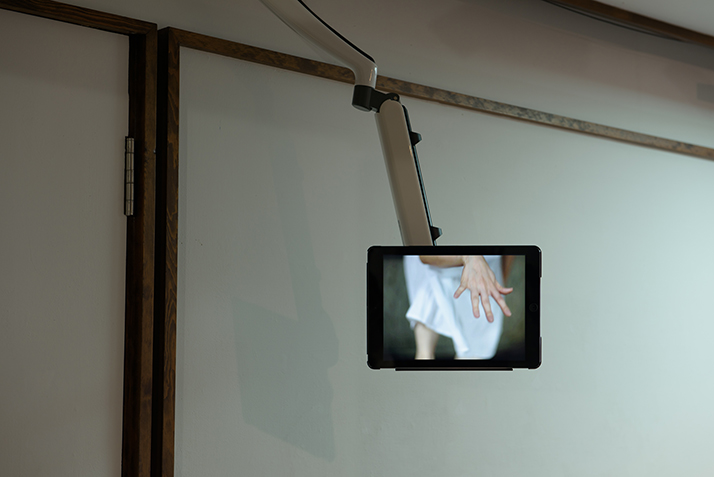
Selected still from "Re-sewing Constellation", 2017.

縫いなおされる星座

Re-sewing Constellation

YEAR
2017
MEDIUM
ビデオ
Video
SIZE
8'00"

STATEMENT

日本が敗戦を迎えてまもなく、それまで国家と結びついていた「神」の観念は揺らぎ、人々の精神的拠り所は大きく変化した。家もなく、食べるものもなく、あらゆる手段で日々を生き延びていくしかなかった人々が数多く存在した時代である。そのような状況のなかで、「無我」とは何であったのか。また、人々を無我の状態へと向かわせた衝動とは何だったのか。

1947年、北村サヨによって天照皇大神宮教が設立され、信者たちは市街地などの公共空間に集い、「無我の舞」を踊った。それは苦境からの解放であると同時に、自己を手放し、他者や共同体へと接続するための実践でもあったと考えられる。

本作ではダンサーに舞を依頼し、カメラの焦点と被写体との距離を保ちながら、撮影者自身がその運動に同期し、没入していく。焦点を維持し続けるための視覚の制御と、反復される身体運動によって、撮影行為は次第に儀式的な性質を帯びていく。こうしたプロセスを通して、占領下に生きた人々が無我へと身を委ねた心理、例えば不安、希求、そして一時的な自己の解体を、現在の身体感覚からなぞることを試みる。

「無我」とは、単なる忘我ではなく、耐えがたい現実のなかで自己をいったん手放し、別の秩序へと接続しようとする身振りだったのかもしれない。

===
ビデオ出演:酒井幸菜
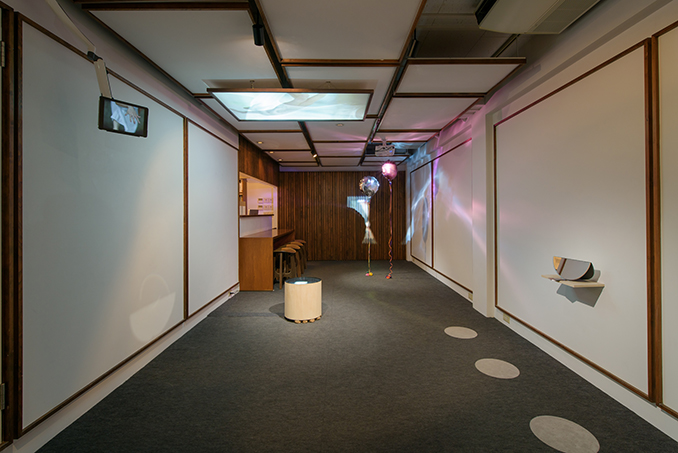
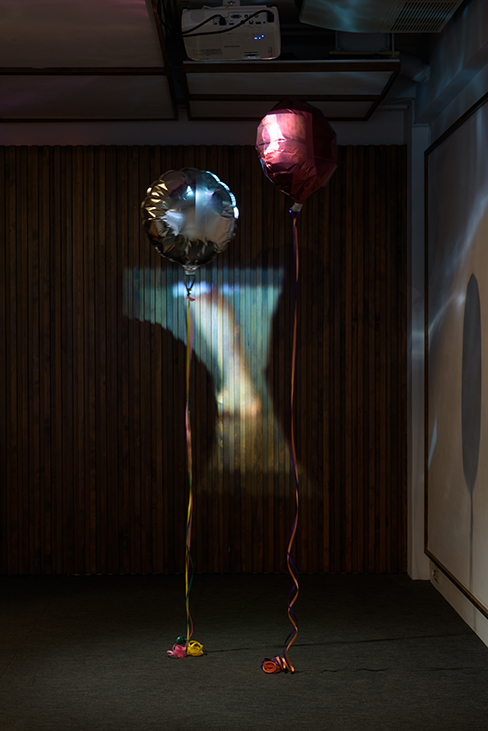
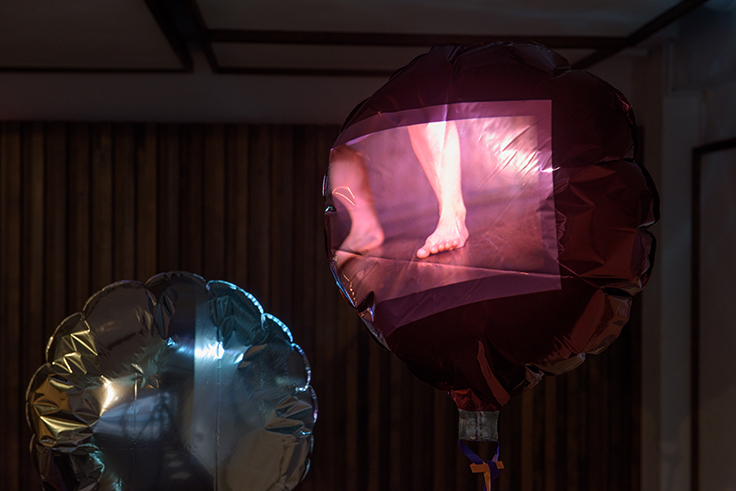
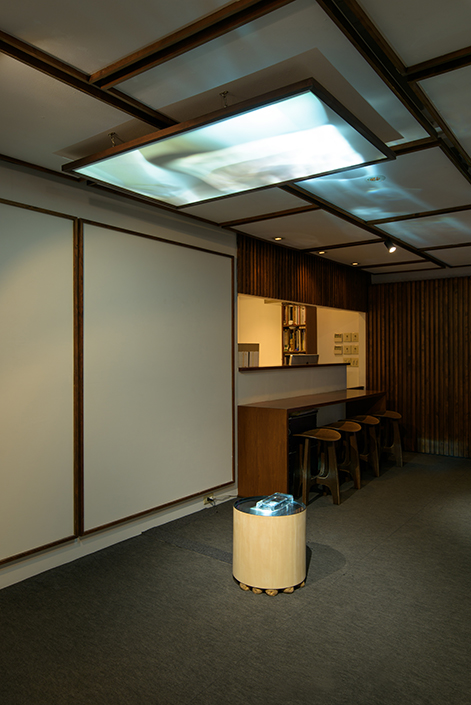
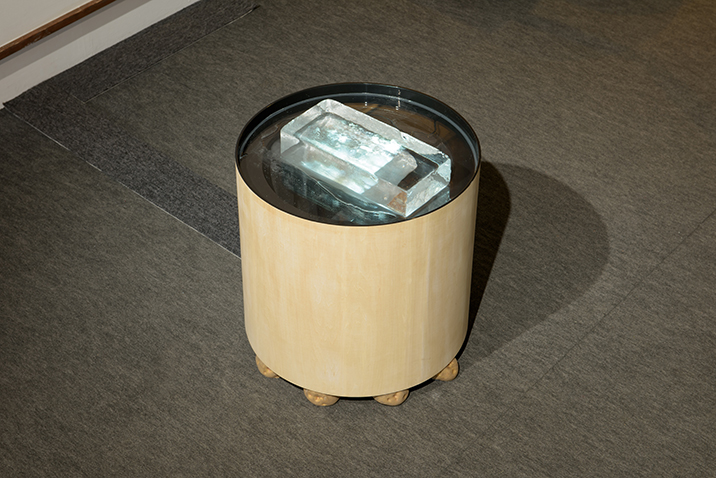
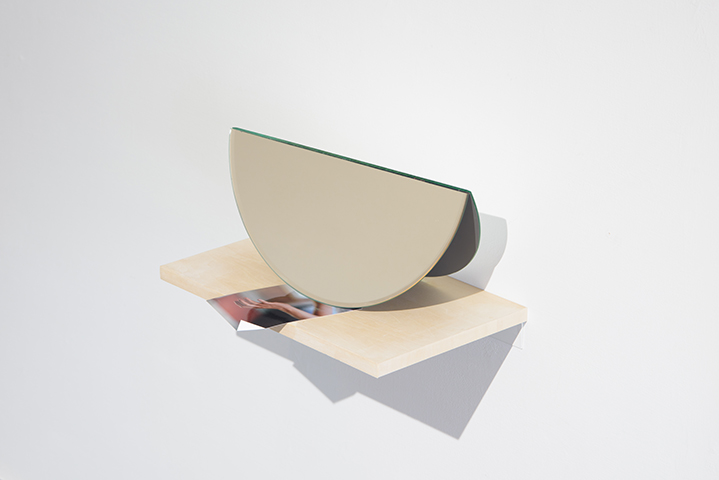
インスタレーション:ビデオ、銀塩プリント、氷、アルミバルーン、鏡、じゃがいも

Soon after Japan’s defeat, the idea of “the divine,” which had been closely tied to the state, began to collapse, and people’s sense of spiritual support changed significantly. It was a time when many people had no homes or enough food, and had to find ways to survive day by day. In such conditions, what did “selflessness” (muga) mean? What drove people toward such a state?

In 1947, Kitamura Sayo founded Tensho Kotaijingu-kyo. Its followers gathered in public spaces such as city streets and performed what was called the “ritual dance of selflessness.” This can be seen not only as a release from hardship, but also as a way of letting go of the self and connecting with others and a shared community.

In this work, a dancer performs while the camera keeps a fixed distance of focus from the subject. As the filmmaker synchronizes with the dancer’s movement, they gradually become immersed in the action. By maintaining focus through visual control and repeating bodily movement, the act of filming begins to take on a ritual-like quality. Through this process, the work traces—through a present bodily experience—the psychological states of people living under occupation who gave themselves over to selflessness: anxiety, desire, and a temporary loss of the self.

“Selflessness,” then, may not simply be losing oneself, but a way of letting go of the self under difficult conditions and reaching toward another kind of order.

===
Performer (video): Yukina Sakai
Installation: video, gelatin silver prints, ice, aluminum balloons, mirrors, potatoes

縫いなおされる星座

Selected still from "Re-sewing Constellation", 2017.

縫いなおされる星座

Re-sewing Constellation

YEAR
2017
MEDIUM
ビデオ
Video
SIZE
8'00"

STATEMENT

日本が敗戦を迎えてまもなく、それまで国家と結びついていた「神」の観念は揺らぎ、人々の精神的拠り所は大きく変化した。家もなく、食べるものもなく、あらゆる手段で日々を生き延びていくしかなかった人々が数多く存在した時代である。そのような状況のなかで、「無我」とは何であったのか。また、人々を無我の状態へと向かわせた衝動とは何だったのか。

1947年、北村サヨによって天照皇大神宮教が設立され、信者たちは市街地などの公共空間に集い、「無我の舞」を踊った。それは苦境からの解放であると同時に、自己を手放し、他者や共同体へと接続するための実践でもあったと考えられる。

本作ではダンサーに舞を依頼し、カメラの焦点と被写体との距離を保ちながら、撮影者自身がその運動に同期し、没入していく。焦点を維持し続けるための視覚の制御と、反復される身体運動によって、撮影行為は次第に儀式的な性質を帯びていく。こうしたプロセスを通して、占領下に生きた人々が無我へと身を委ねた心理、例えば不安、希求、そして一時的な自己の解体を、現在の身体感覚からなぞることを試みる。

「無我」とは、単なる忘我ではなく、耐えがたい現実のなかで自己をいったん手放し、別の秩序へと接続しようとする身振りだったのかもしれない。

===
ビデオ出演:酒井幸菜
インスタレーション:ビデオ、銀塩プリント、氷、アルミバルーン、鏡、じゃがいも

Soon after Japan’s defeat, the idea of “the divine,” which had been closely tied to the state, began to collapse, and people’s sense of spiritual support changed significantly. It was a time when many people had no homes or enough food, and had to find ways to survive day by day. In such conditions, what did “selflessness” (muga) mean? What drove people toward such a state?

In 1947, Kitamura Sayo founded Tensho Kotaijingu-kyo. Its followers gathered in public spaces such as city streets and performed what was called the “ritual dance of selflessness.” This can be seen not only as a release from hardship, but also as a way of letting go of the self and connecting with others and a shared community.

In this work, a dancer performs while the camera keeps a fixed distance of focus from the subject. As the filmmaker synchronizes with the dancer’s movement, they gradually become immersed in the action. By maintaining focus through visual control and repeating bodily movement, the act of filming begins to take on a ritual-like quality. Through this process, the work traces—through a present bodily experience—the psychological states of people living under occupation who gave themselves over to selflessness: anxiety, desire, and a temporary loss of the self.

“Selflessness,” then, may not simply be losing oneself, but a way of letting go of the self under difficult conditions and reaching toward another kind of order.

===
Performer (video): Yukina Sakai
Installation: video, gelatin silver prints, ice, aluminum balloons, mirrors, potatoes